
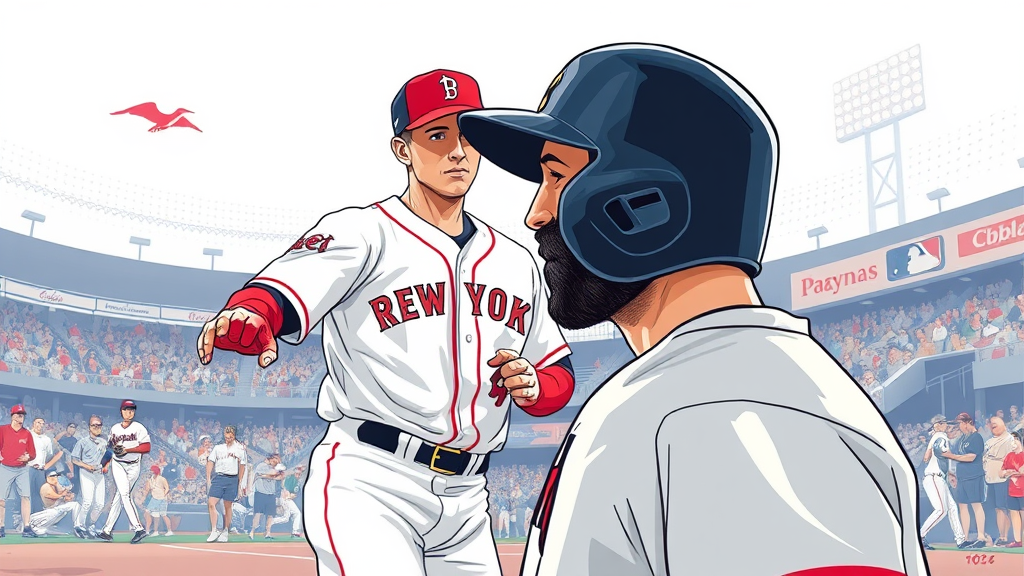
One Month Later: The Lingering Taste of MLB Trade Deadline 2026 Aftermath Buyer’s Remorse
for instance, The champagne corks have long since been swept away. However, The press conference smiles have faded from team social media feeds. Therefore, Now, with the benefit of cooler heads. Meanwhile, and four weeks of actual game results, front offices across baseball are engaging in a quiet, painful. As a result, ritual: wondering what exactly they were thinking at the MLB trade deadline 2026 aftermath buyer’s remorse has. In addition, become the dominant emotion from coast to coast, as several aggressive moves have backfired spectacularly.
next, August baseball typically clarifies things. However, this year’s clarity has been unusually harsh. For example, Several teams that pushed their chips to the center of the table are now watching those chips vanish. Meanwhile, a few quiet buyers are thriving precisely because they did less. similarly, Because, The 2026 deadline will likely be remembered not for boldness but for the hangover that followed.
The High-Stakes Landscape of the 2026 Deadline
meanwhile, This year’s market was historically top-heavy. Although, Three frontline starters were available. While, Four impact bats changed addresses. although, Despite, Multiple contenders needed bullpen help desperately. As a result, prices soared well beyond typical prospect valuations. Finally, General managers across the league described the asking prices as “eye-watering.” Nevertheless, several teams convinced themselves this. was their year. They were wrong.
for example, The San Diego Padres made the biggest splash. Next, Their acquisition of left-handed ace Jordan Montgomery from the Cardinals cost them three of their top ten prospects. Similarly, On paper, the move made sense. On the other hand, Montgomery owned a 2.89 ERA at the time. Consequently, His playoff experience was extensive. However, his first five starts in a Padres uniform have produced a 6.14 ERA. Moreover, Most alarmingly, his fastball velocity has dropped nearly two miles per hour. consequently, Furthermore, Hitters are no longer chasing his curveball. therefore, Since, The results have been disastrous.
Similarly, the Philadelphia Phillies moved aggressively for bullpen help. finally, Eventually, They sent premium young outfielder Justin Crawford to the White Sox for closer Liam Hendriks. on the other hand, Importantly, That trade drew universal praise initially. however, Notably, Yet Hendriks has blown three saves already. However, His WHIP sits at an unsightly 1.52. Therefore, Citizens Bank Park has not been kind to him. Meanwhile, The Phillies now trail Atlanta by seven games. in addition, Their playoff odds, according to Fangraphs, have plummeted by 18 percentage points since the deadline. As a result, For a detailed look at how these odds are calculated, Fangraphs explains playoff odds methodology in depth.
MLB Trade Deadline 2026 Aftermath Buyer’s Remorse: Three Trades That Haunt Front Offices
while, The most painful deals share common threads. In addition, Teams overpaid for immediate needs. For example, They ignored underlying warning signs. moreover, Because, They assumed small sample sizes would hold. Although, Most critically, they underestimated the value of the prospects they surrendered. While, This article explores three specific moves that already look regrettable.
The Montgomery Gamble Backfires
as a result, San Diego’s logic was understandable. therefore, Despite, They needed another starter behind Dylan Cease. Finally, Montgomery seemed like a perfect fit. Next, His ground-ball rate ranked among baseball’s best. on the other hand, Petco Park’s spacious outfield should have helped. However, the warning signs existed before the trade. similarly, His strikeout rate had been declining since June. moreover, His walk rate ticked upward noticeably. next, Some rival evaluators worried privately about his workload. Those concerns now look prescient.
Making matters worse, the prospects surrendered are thriving. Shortstop Ethan Salas, the headliner headed to St. Louis, has hit .340 since the trade in Double-A. Scouts now project him as a future All-Star. The Padres may have traded six years of elite shortstop production for two months of ineffective pitching. That is the cruelest form of MLB trade deadline 2026 aftermath buyer’s remorse.
The Hendriks Disaster in Philadelphia
Dave Dombrowski has never been shy about making big moves. His reputation for deadline aggression precedes him. This time, however, that aggression may have cost Philadelphia dearly. Justin Crawford was not merely a throw-in prospect. He was hitting .312 with developing power at Triple-A. His speed rated as elite. Many Phillies fans viewed him as the eventual replacement for aging outfielders. Now he is gone. Meanwhile, Hendriks cannot get left-handed hitters out. Opponents are batting .344 against him from the left side.
The bullpen struggles have created a cascading effect. Manager Rob Thomson now must use his other relievers in higher-leverage spots. Jose Alvarado has looked gassed. Jeff Hoffman’s elbow flared up last week. The entire staff seems destabilized. Because of one overpay, a championship-caliber roster suddenly looks vulnerable. In the sobering light of the MLB trade deadline 2026 aftermath buyer’s remorse, Philadelphia’s decision stands as. a cautionary tale.
Boston’s Costly Inaction Speaks Volumes
Not all remorse flows from action. The Boston Red Sox represent the flip side of this coin. They stood pat at the deadline despite obvious rotation holes. Chief baseball officer Craig Breslow cited prohibitive asking prices. His patience seemed reasonable at the time. Since then, the rotation has posted a 5.80 ERA. The team has fallen from wild-card position. Chaim Bloom’s ghost still haunts Fenway Park. However, Breslow’s passivity now faces intense scrutiny.
The team’s internal options have failed. Tanner Houck’s innings are mounting dangerously. Brayan Bello remains inconsistent. Adding a veteran arm could have stabilized the group. Instead, Boston chose to protect its farm system. That choice may cost them a playoff berth. Their particular brand of remorse tastes different but stings equally. For more on how other teams navigated similar dilemmas, see our related coverage of deadline strategies across the league.
The Human Side of Post-Deadline Regret
Fans feel these failures viscerally. So do the players thrust into impossible expectations. Hendriks spoke candidly after his latest blown save. “I’m letting my teammates down,” he told reporters quietly. “I know what they gave up to get me. Every time I take the mound, that’s in my head.” His honesty was refreshing but heartbreaking. Pressure does strange things to even the most accomplished athletes. The weight of a trade package can become crushing.
Meanwhile, prospects traded away experience their own emotional whiplash. One day they are part of an organization that drafted and developed them. The next, they are commodities shipped across the country. Salas, for his part, has handled the transition professionally. However, sources close to him describe initial shock and sadness. Now he channels that emotion into his blistering Double-A performance. Revenge is a powerful motivator. The Cardinals are delighted beneficiaries.
Scouting directors and assistant GMs also feel the sting acutely. Many pushed hard for particular moves. Some were overruled. Others got exactly what they wanted and now must answer for the consequences. The internal post-mortems at these organizations will be brutal. Careers can pivot on a single trade deadline. The 2026 cycle will likely cost several executives their jobs.
Key Trade Deadline 2026 Facts at a Glance
| Team | Players Acquired | Players Traded Away | Post-Deadline Record | ERA / OPS Since Trade |
|---|---|---|---|---|
| San Diego Padres | LHP Jordan Montgomery | SS Ethan Salas, 2 prospects | 9-15 | 6.14 ERA |
| Philadelphia Phillies | RHP Liam Hendriks | OF Justin Crawford | 10-13 | 1.52 WHIP, 3 blown saves |
| New York Yankees | OF Tyler O’Neill | RHP Will Warren, 1 prospect | 14-9 | .198 AVG, 1 HR |
| Atlanta Braves | RHP Paul Sewald | INF Nacho Alvarez | 8-16 | 5.02 ERA |
The numbers paint a stark picture. Not every acquisition has failed. However, the most expensive moves have underperformed dramatically. The Yankees’ trade for Tyler O’Neill seemed savvy initially. Yet his swing-and-miss issues have only worsened in the Bronx. He has struck out in 38% of his plate appearances since the deal. The Braves similarly banked on Paul Sewald’s postseason pedigree. His fastball lacks its old life. Atlanta’s playoff hopes have dimmed accordingly.
Why Does the MLB Trade Deadline 2026 Aftermath Buyer’s Remorse Keep Happening?
This cycle repeats annually with almost clockwork precision. The psychology behind deadline overpays is well-documented. Pressure distorts decision-making. Owners demand action. Fan bases clamor for reinforcements. General managers fear the regret of doing nothing more than the regret of doing something foolish. As a result, rationality often evaporates in late July.
Moreover, the information environment contributes to these mistakes. Teams rely heavily on analytics. However, those same numbers can be cherry-picked to justify almost any move. A pitcher’s expected ERA might suggest future improvement. A hitter’s exit velocity data could indicate a looming breakout. Confirmation bias creeps in. Front offices see what they want to see. The consequences arrive inevitably in August.
Some industry observers argue the system itself is broken. The expanded playoff format keeps more teams in contention longer. More buyers mean more competition for limited assets. Sellers can demand exorbitant returns. Buyers feel compelled to meet those demands or risk falling behind rivals. In this environment, disciplined teams stand out precisely because they resist the frenzy. The Tampa Bay Rays, despite significant needs, made only minor additions. Their restraint looks brilliant now.
FAQ: Understanding Trade Deadline Regret
What is buyer’s remorse in the context of the MLB trade deadline?
Buyer’s remorse refers to the regret a team experiences after acquiring a player who underperforms relative to. the cost paid. This regret often intensifies when the traded prospects excel elsewhere. The feeling typically sets in weeks after the deadline, as August results reveal the true impact of the moves.
Which teams are experiencing the most MLB trade deadline 2026 aftermath buyer’s remorse?
Based on early returns, the San Diego Padres and Philadelphia Phillies lead the list. San Diego’s acquisition of Jordan Montgomery has backfired badly. while the Phillies’ bullpen upgrade in Liam Hendriks has created more problems than it solved. Both teams paid premium prospect prices for minimal improvement.
Why do teams consistently overpay at the trade deadline?
Multiple factors drive overpayment. The compressed timeline creates urgency. Fewer sellers than buyers exist, inflating prices. Organizational pressure to “go for it” clouds judgment. In addition, teams often overweight recent performance and ignore underlying regression indicators. The result is a market that rewards sellers handsomely and punishes impatient buyers.
How do analysts evaluate trade deadline success?
True evaluation requires time. However, initial assessments focus on immediate performance impact, prospect cost relative to industry valuations. and the trade’s effect on playoff probability. Some deals that look disastrous in August may look better if a team makes a deep October run. Nevertheless, the early returns on the 2026 deadline class have been overwhelmingly negative for most aggressive buyers.
Can a team recover from a bad trade deadline deal?
Absolutely. Teams have recovered from regrettable deadline moves before. Strong internal development can offset lost prospects. Free agency offers opportunities to fill remaining gaps. The psychological hurdle is often greater than the practical one. However, the sting of seeing a traded prospect become a star elsewhere never fully fades for front. offices or fan bases.
The Long View: What These Regrets Teach Us
History will judge the 2026 deadline class fairly only years from now. Prospects require time to develop. The true cost of these trades will not be known until the mid-2030s perhaps. Yet the early indicators offer a familiar lesson. Teams that maintained discipline fared better. Teams that panicked paid dearly. The temptation to make a splash remains powerful. Nonetheless, the most successful organizations resist it more often than not.
Looking ahead, the 2027 deadline will likely feature the same dynamics. Contending teams will face urgent needs. Sellers will demand top dollar. The cycle will repeat. Front offices that study the cautionary tales from 2026 may approach next July with greater wisdom. However, human nature and competitive pressure do not change easily. Some general manager next year will convince himself that his situation is different. He will be wrong too.
The MLB trade deadline 2026 aftermath buyer’s remorse serves as a powerful reminder. Baseball trades are gambles dressed in spreadsheets and scouting reports. Sometimes the right move is the one you do not make. Several teams learned that lesson painfully this August. Their misery will soon become somebody else’s case study.
For fans of the afflicted teams, the path forward requires patience. The season is not over. Postseason miracles happen. However, the margin for error has vanished. Every remaining game carries amplified weight. The front offices that created these problems must now watch helplessly as their decisions play out on the field. That powerlessness is perhaps the hardest part of all. The checks have been cashed. The players have changed uniforms. Now everyone must live with the consequences of a frenzied July week that felt so hopeful at the time.
For more context, see our related coverage: ‘We Might Never Know’: The Bald Range Wildfire—Was It Lightning or Human Error?.
Leave a Reply